Disclosure: As an Amazon Associate, I earn from qualifying purchases. This post contains affiliate links, meaning I may receive a commission if you click through and buy, at no extra cost to you. #ad
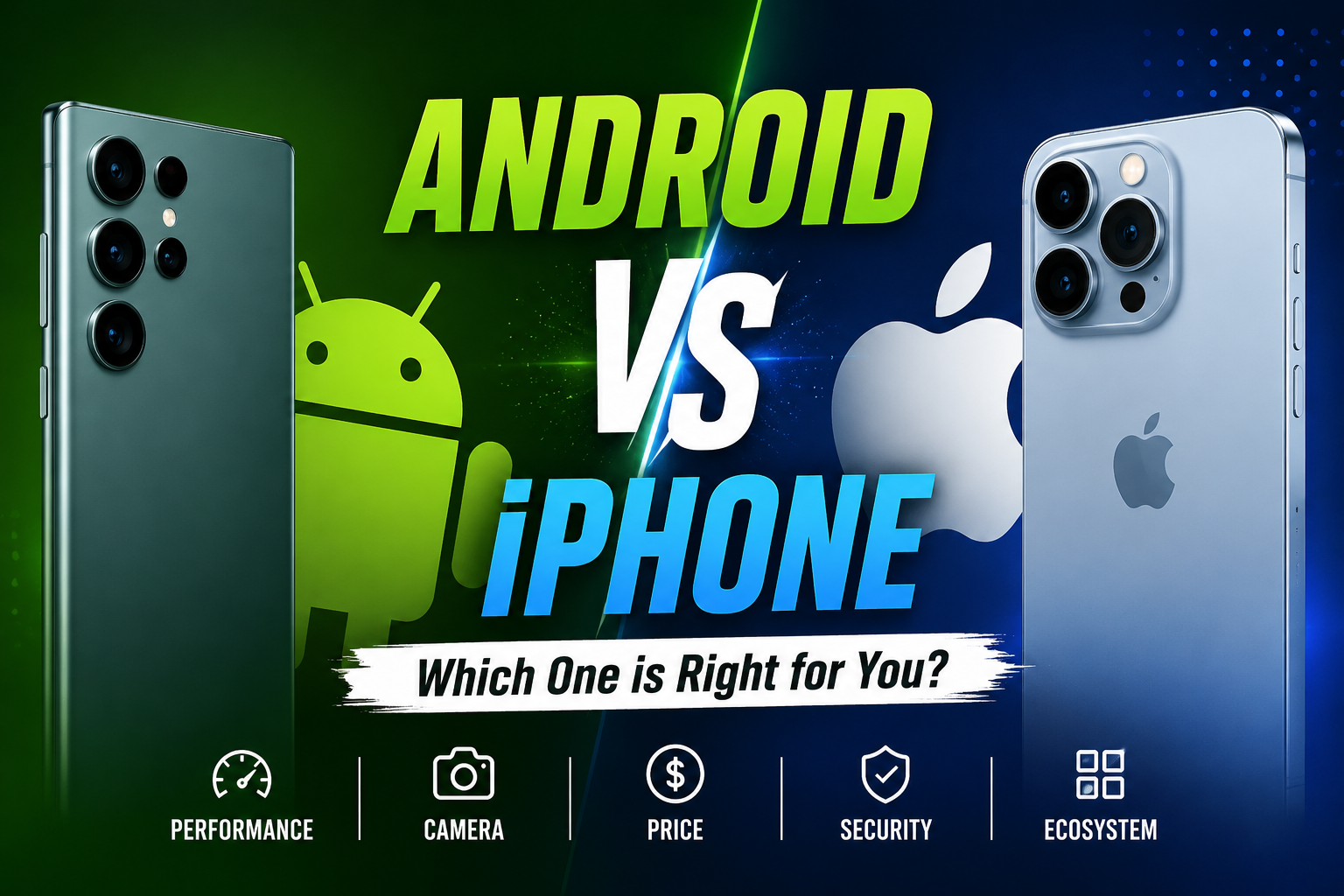
Let’s be honest — choosing between Android vs iPhone isn’t just a tech decision. It’s almost personal. People have opinions about this. Strong ones. And whether you’re buying your first smartphone or switching sides after years, the wrong choice can leave you frustrated for the next two years.
i also use android smartphone but whenever i see iphone my mind is fluctuated and attract to it , and many people confuse between two of this.
So instead of throwing specs at you, let’s have a real conversation about what each phone actually offers, where each one falls short, and what real users are saying in 2026.
Table of Contents
Read also Expensive Smartphones Are a Want, Not a Need: Why Your Current Phone Is Probably Enough
What Android Brings to the Table
Android is an open-source platform developed by Google, and that openness is its biggest superpower. Here’s what makes Android genuinely great:
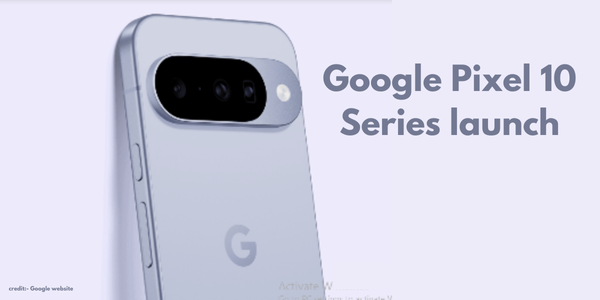
Freedom of choice. Android runs on hundreds of devices — from budget phones under ₹10,000 to flagship beasts like the Samsung Galaxy S26 Ultra or Google Pixel 10 Pro. You pick your price, your brand, your screen size. Nobody forces you into one box.
Deep customization. Want to change your launcher, set default apps, use third-party app stores, or sideload apps? Android lets you do all of that. It treats you like an adult who can make their own decisions.
Variety of hardware features. USB-C with fast charging, expandable storage on select models, stylus support (hello, Galaxy S series), and multi-window multitasking — Android manufacturers compete hard, which means users win.
Google ecosystem integration. Gmail, Google Drive, Google Photos, Google Maps — if you’re already living in Google’s world (and most of us are), Android feels completely at home.
Price flexibility. You don’t need to spend ₹80,000+ to get a great Android experience. Mid-range Android phones in 2026 punch well above their weight.
Checkout – OnePlus Nord 6
What iPhone Brings to the Table
Apple’s iPhone runs iOS, a tightly controlled, premium ecosystem — and that control is exactly what millions of people love about it.
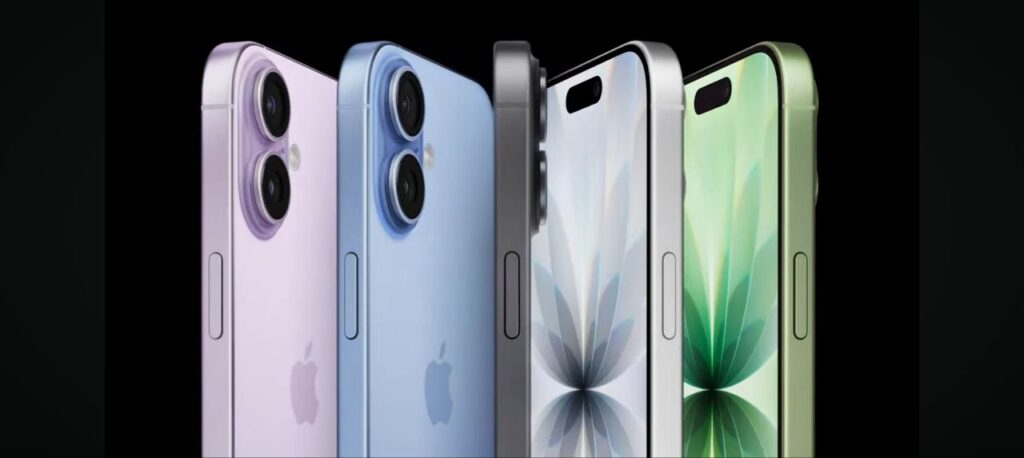
Unmatched software optimization. Because Apple designs both the hardware and software, iPhones run smoother and faster than most Android phones, even with lower RAM. The A18 chip in the iPhone 16 series is genuinely ridiculous in performance.
Longer software support. Apple supports iPhones with major iOS updates for 5–6 years. Many Android manufacturers still offer just 3 years of OS updates.
Best-in-class camera consistency. iPhones don’t always win in megapixel wars, but the photos look natural, consistent, and great right out of the camera app — without needing to tweak settings.
Privacy and security. Apple’s App Store is heavily vetted, and features like App Tracking Transparency give users real control over how apps access their data. It’s not perfect, but it’s ahead of the curve.
Seamless Apple ecosystem. AirDrop, iMessage, Handoff, AirPlay, iCloud — if you use a Mac, iPad, or Apple Watch, the iPhone connects with everything effortlessly. It just works.
Resale value. iPhones hold their resale value far better than Android devices. A 2-year-old iPhone often sells for more than a brand-new mid-range Android.
Read also – lumia 640 xl review
Where Android Falls Short (Android vs iPhone)
Let’s not sugarcoat it — Android has real weaknesses.
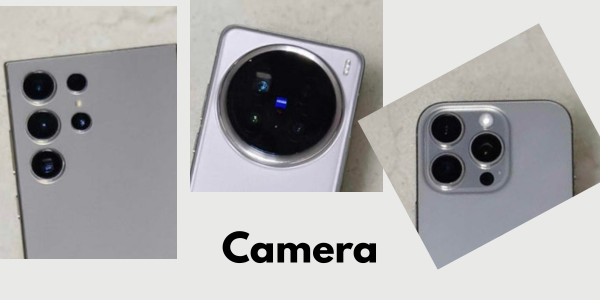
Fragmentation is still a problem. Android updates roll out at the manufacturer’s pace, not Google’s. Your Samsung or Xiaomi phone may wait months for a security patch that Pixel users got instantly.
Inconsistent quality control. Because so many brands make Android phones, quality varies wildly. A bad Android phone can really sour someone on the entire platform.
Too many choices (yes, really). Ironically, the freedom Android offers can be overwhelming. New users often don’t know what to buy, and choice paralysis is real.
Bloatware. Many Android phones ship loaded with pre-installed apps you’ll never use and sometimes can’t delete.
Where iPhone Falls Short (Android vs iPhone)
iPhones are great — but they’re not without frustrations.
Price. The iPhone 17 Pro starts at around ₹1,19,900 in India. For many people, that’s simply not accessible, and Apple’s budget offering (the iPhone 16e) still costs more than many flagship Androids.
Limited customization. Apple decides what your home screen looks like, what apps are allowed, and how the system works. You work within Apple’s rules, not your own.
No expandable storage. You get what you pay for — 128GB, 256GB, or 512GB. No microSD slot, ever.
Switching costs. Moving from Android to iPhone (or back) is genuinely painful. You lose iMessage history, some app purchases, and need to re-learn workflows.
USB-C finally arrived — but late. Apple only switched to USB-C with the iPhone 15. Android phones have had it for years.
What Real Users Are Saying in 2026
After browsing through Reddit threads, tech forums, and user reviews, here’s what people actually say:
Android users love: “I can do whatever I want with my phone.” Budget-conscious buyers consistently praise mid-range Android phones for delivering 90% of the experience at 40% of the price. Power users rave about sideloading, customization, and file management freedom.
iPhone users love: “It just works, every single time.” Parents buying first phones for kids, people who use other Apple devices, and professionals who rely on rock-solid performance choose iPhone for its reliability and simplicity.
Switchers say: Many Android users who switched to iPhone are surprised by how much they enjoy the simplicity. Many iPhone switchers to Android are surprised by how much they missed their freedom.
The honest truth? Most people are happy with whichever platform they’re used to. Switching feels harder than it actually is.
So Which One Should You Pick?
Here’s a simple way to think about it:
Choose Android if you:
- Want a great phone without spending a fortune
- Love customizing your experience
- Already use Google’s apps and services heavily
- Want hardware variety (foldables, stylus, big screens, etc.)
Choose iPhone if you:
- Already own a Mac, iPad, or Apple Watch
- Want the smoothest possible experience with minimal tinkering
- Value long-term software support and resale value
- Privacy and security are a top priority for you
Conclusion: There’s No Wrong Answer
In 2025, both Android and iPhone are genuinely excellent. The “war” between them is mostly fun internet debate — in real life, both platforms handle calls, social media, payments, photography, and productivity without breaking a sweat.
The best smartphone is the one that fits your life, your budget, and your habits. Don’t let anyone tell you you’re wrong for choosing either one.
That said — if you’re still on the fence, go to a store and hold both. Because at the end of the day, the phone you’ll love is the one that feels right in your hand.
Have thoughts on Android vs iPhone? Drop them in the comments below — we’d love to hear which team you’re on and why.
for more articles please visit www.techdrivehub.com and subscribe our youtube channel thetechdrivehub for videos
Excellent article! 👍
I really liked how you explained the Android vs iPhone debate in a simple and practical way instead of focusing only on specifications. The comparison of customization, ecosystem, software support, camera performance, and resale value was balanced and easy to understand.
The conclusion that there is no single “best” phone, but rather the best phone depends on a user’s needs and budget, is absolutely correct. This article will definitely help many people who are confused between Android and iPhone in 2026.
Keep up the great work and continue sharing such honest and informative tech content!